Geomembrane · UV-stable · Low seepage

HDPE Dam Lining

Durable HDPE geomembrane solutions for large earth dams, farm reservoirs and mining ponds — supplied and installed by Damtech across South Africa.

High-density polyethylene (HDPE) is the preferred geomembrane for large farm dams, irrigation storage and mining containment in South Africa. Its low permeability, UV resistance and weldable seams create a continuous barrier that stops seepage through sandy soils and fractured clay — protecting water you cannot afford to lose during droughts or load-shedding.

Need HDPE Dam Lining?

Request a free quote with site photos and approximate dimensions.

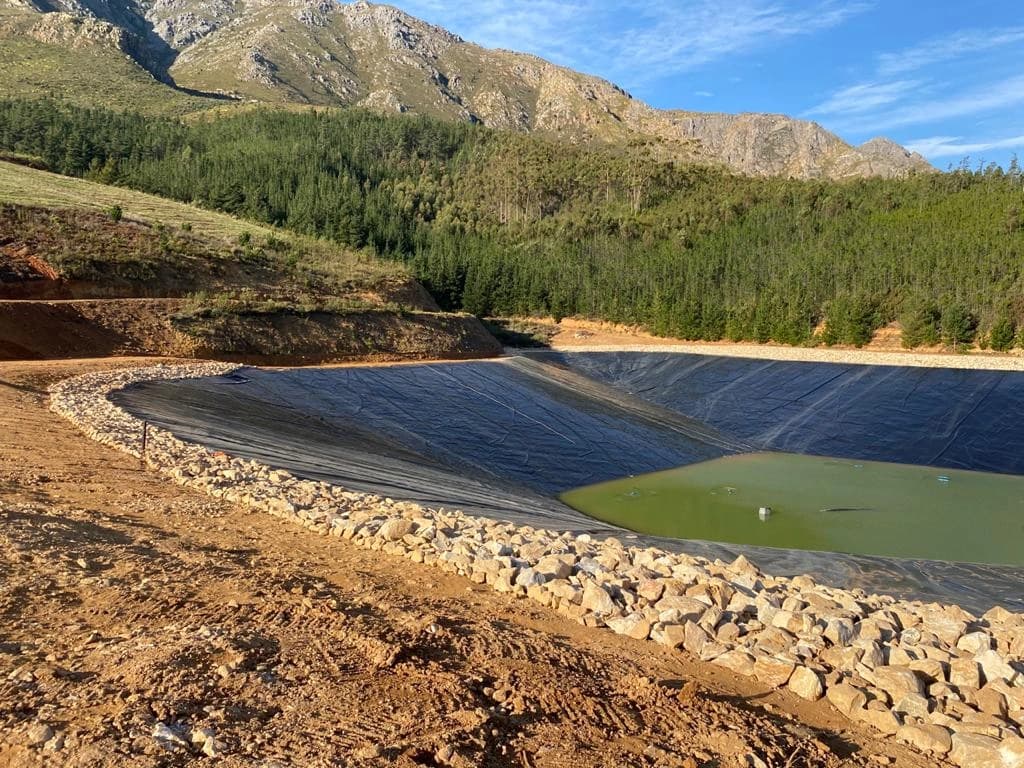
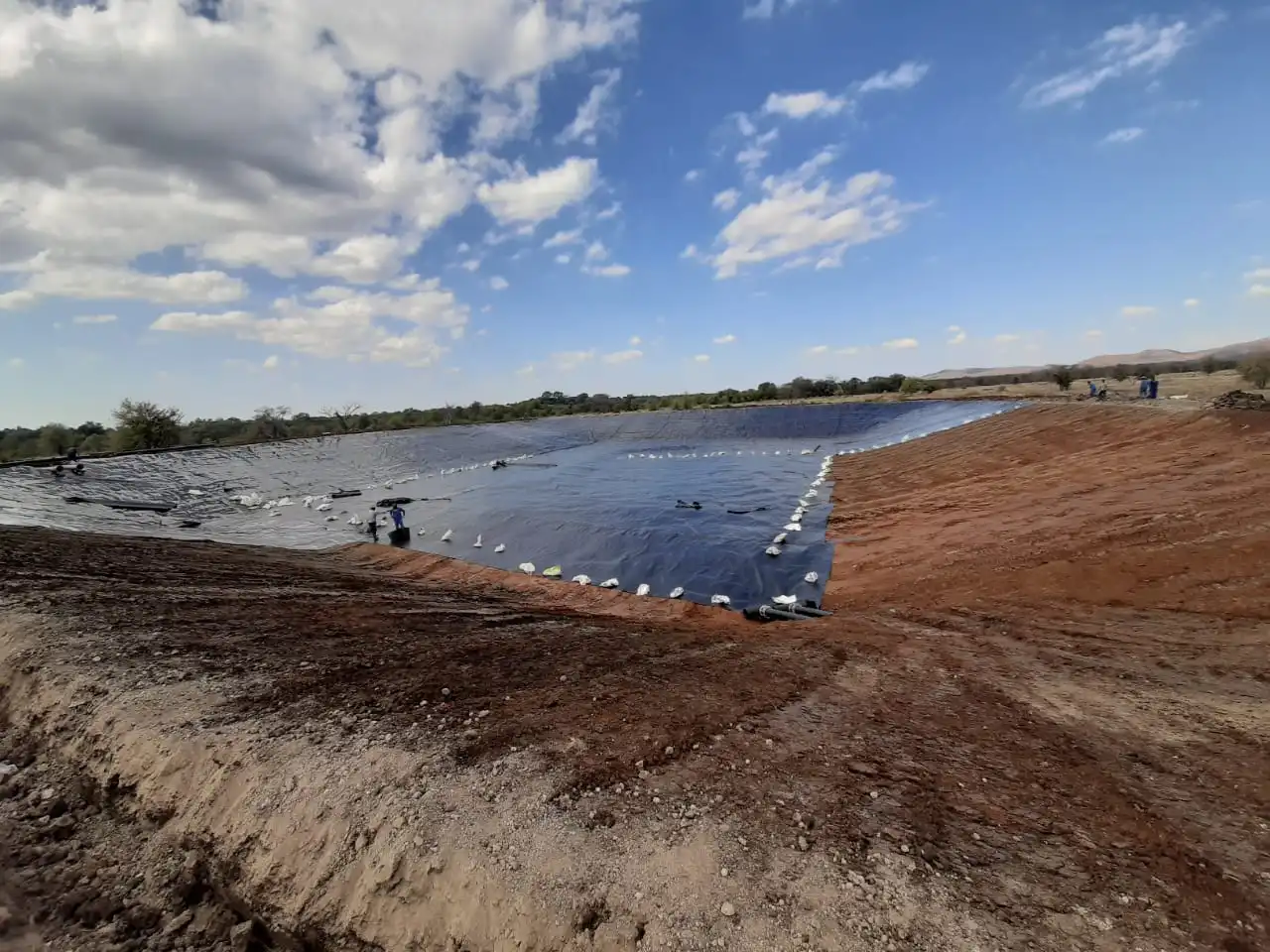
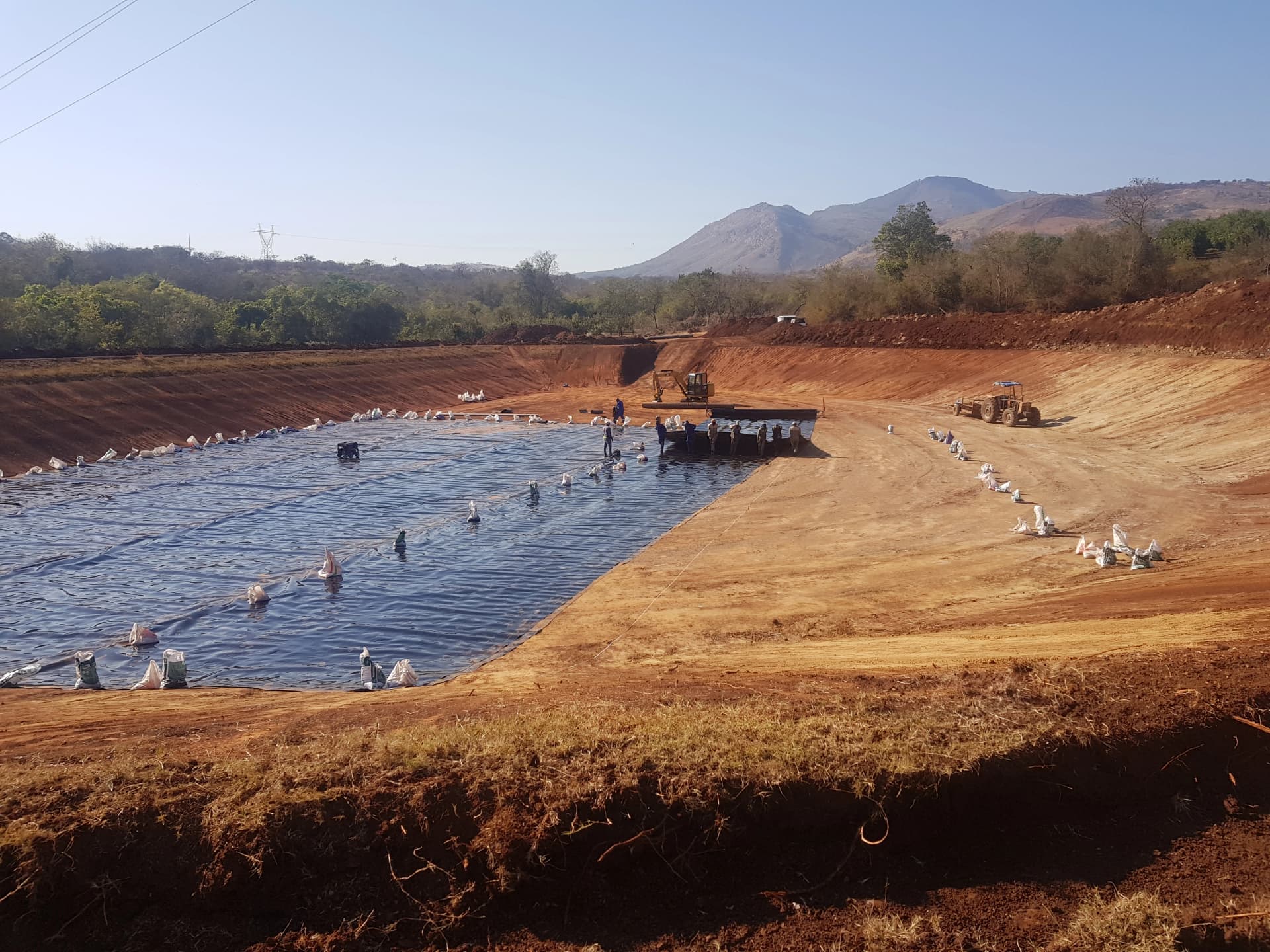
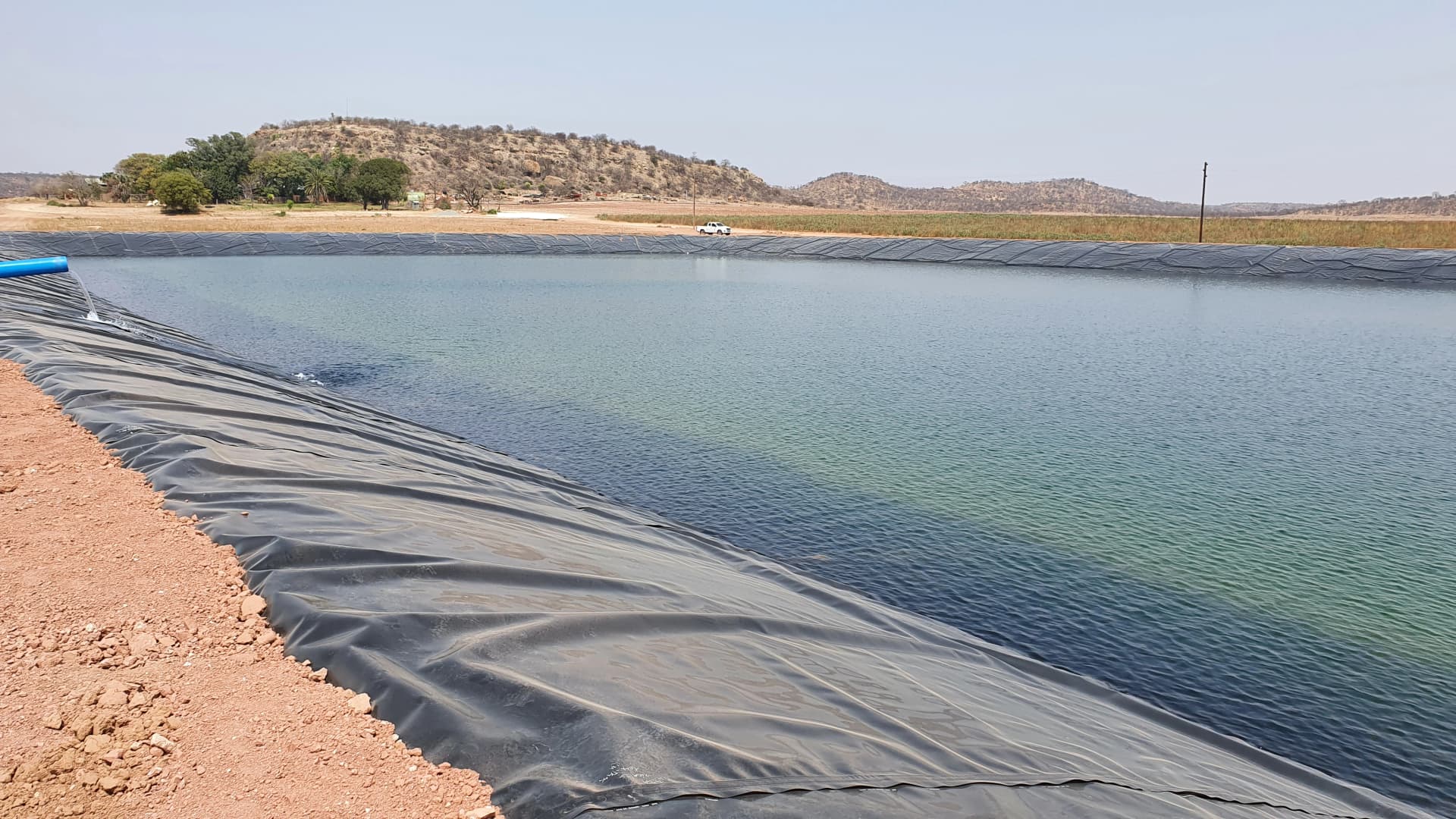
HDPE dam linings installed on a farm earth dam in South Africa
HDPE, PVC and Bitumen Torch-On dam lining options.

Key Benefits

  • Near-zero seepage when welded and anchored correctly
  • UV-stabilised grades rated for exposed South African conditions
  • 1 mm, 1.5 mm and 2 mm options for depth and puncture risk
  • Heat-welded seams stronger than the parent sheet
  • 20–30 year service life on typical farm dam applications
  • 10-year material warranty on qualifying installations

HDPE liner specifications

Thickness options
1 mm, 1.5 mm and 2 mm
Best applications
Earth dams, mining ponds, irrigation storage
Typical lifespan
20–30 years
Seam method
Hot-wedge or extrusion welding
Warranty
Up to 10 years on materials

Why HDPE for Farm and Mining Dams

HDPE geomembrane outperforms clay sealing and paint-on coatings on permeable soils. It tolerates settlement better than rigid systems, resists most agricultural water chemistry, and can be patched or extended when dams are enlarged. On mining and industrial sites, thicker 1.5 mm and 2 mm sheets handle puncture risk where maintenance traffic or rocky subgrades are present.

Compared to PVC, HDPE is stiffer and more puncture-resistant — the right choice when dam surface area is measured in thousands of square metres and downtime from leaks is costly.
Our HDPE Installation Process

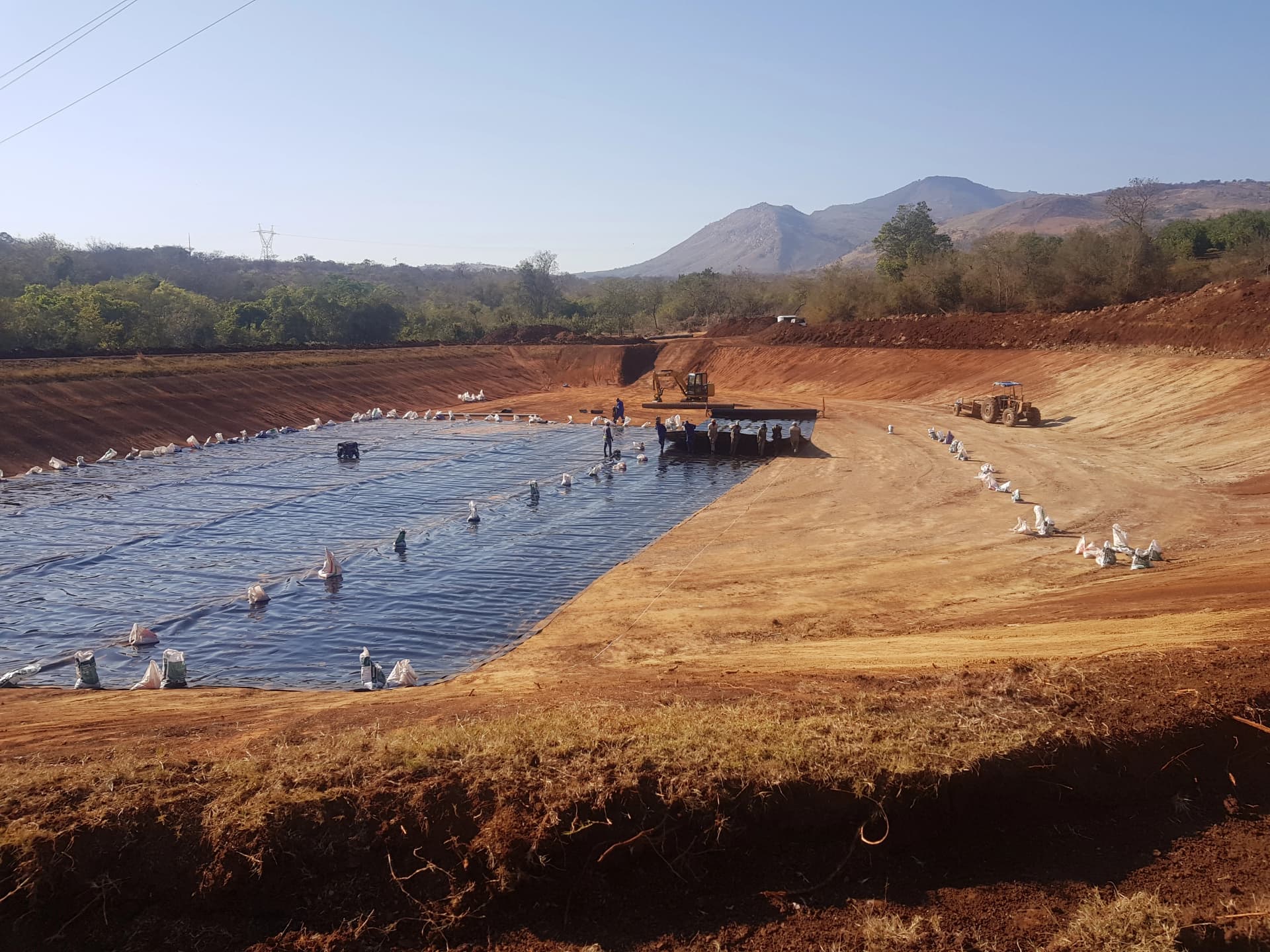
We start with site assessment: dam dimensions, batter slopes, inlet/outlet positions and soil conditions. The subgrade is cleared of rock, graded and compacted; geotextile underlay is used on stony ground. Liner panels are laid, field-welded and vacuum- or air-tested at seams before anchor trenches are backfilled.

Pipe penetrations, overflow structures and crest anchoring are detailed to manufacturer standards. After flooding, we inspect high-stress zones and document as-built panel layout for your maintenance records.

Compare all liner types on our dam liners overview.

CallWhatsAppRequest Quote