Damtech guide
The Importance of Proper Dam Liners: How HDPE Protects Your Investment
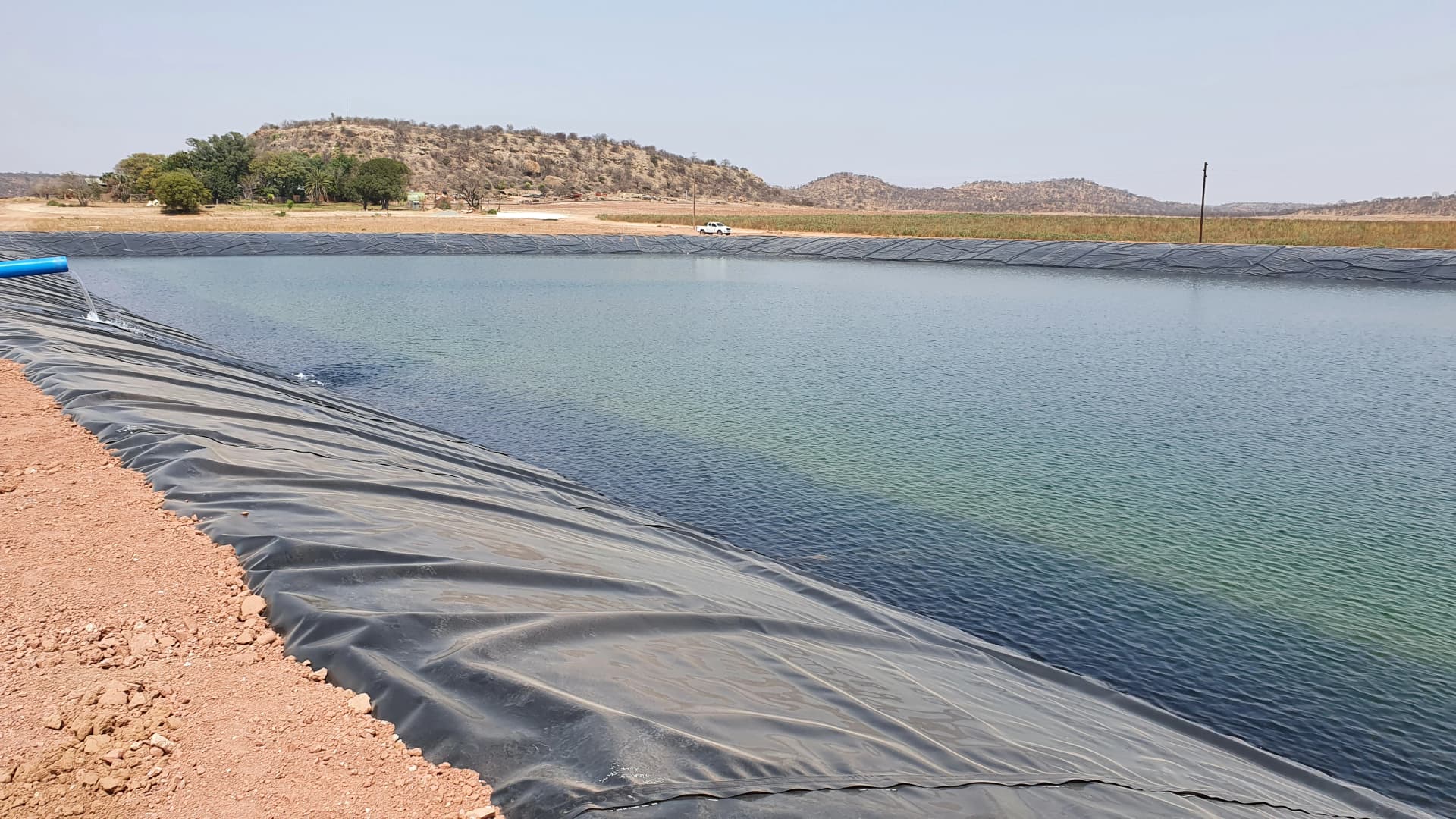
Whether you farm, mine or run an industrial site, water is one of your most valuable resources. Managing it well means protecting it from leakage, contamination and evaporation, and the right dam liner plays a central role. High-density polyethylene (HDPE) liners have become the standard choice for lining earth dams because they are durable, flexible and resistant to harsh conditions. This guide explains why proper dam liners matter and how HDPE protects your investment over the long term.
1. Why proper dam liners matter
A well-installed dam liner keeps water in, prevents seepage and protects the surrounding environment from contamination. Without a suitable liner, even a well-designed earth dam can lose significant water through the floor and walls, which wastes water and money and can damage the surrounding land.
Problems that occur without a proper liner
- Seepage: An unlined or poorly lined dam loses water into the ground, reducing how much it can actually store. For background on seepage and small-dam design, see this guide by the FAO.
- Erosion: Unlined dam walls are vulnerable to erosion, which can weaken the embankment over time.
- Contamination: Without a barrier, fertilisers, chemicals and other pollutants can move between the stored water and the surrounding soil and groundwater. The US Environmental Protection Agency publishes general background on groundwater contamination.
A proper liner is the first line of defence for the dam's performance and for the money invested in building it.
2. What makes HDPE liners stand out?
HDPE geomembrane is widely used for earth dam lining because it combines strength, flexibility and chemical resistance in one material.
Key benefits of HDPE liners
- Durability: Correctly specified and installed HDPE can give decades of service. Actual life depends on sheet thickness, UV exposure, subgrade preparation and maintenance.
- Low permeability: HDPE has very low permeability, so a properly welded liner keeps water in the dam instead of in the ground.
- Chemical resistance: HDPE resists a wide range of acids, salts and other chemicals, which is why it is used in agricultural, mining and industrial containment.
- UV resistance: HDPE geomembranes are manufactured with UV stabilisers for long-term exposure to sunlight.
3. How HDPE protects your investment
When you invest in a dam, you want the water to stay in it and the structure to last. An HDPE liner is a long-term investment in that protection.
Ways HDPE protects your investment
- Reduced water loss: By stopping seepage, an HDPE liner lets the dam hold more of the water you pump or harvest into it.
- Lower maintenance costs: A durable, well-installed liner needs fewer repairs over the life of the dam.
- Environmental compliance: Where stored water or process water must be contained, an HDPE barrier helps prevent leaching into soil and groundwater.
- Long-term reliability: With routine inspection and prompt repair of damage, an HDPE-lined dam keeps working as intended for many years.
4. Where HDPE liners are used
HDPE liners are not limited to farm dams. Their versatility makes them a common solution across many water and containment applications.
- Agricultural dams: Irrigation and livestock water storage on farms.
- Mining operations: Process water, pollution control and other containment ponds where leakage into the ground must be prevented.
- Wastewater treatment: Barrier lining for ponds and lagoons in industrial and municipal settings.
- Aquaculture ponds: Fish farms use HDPE liners to control water quality and prevent seepage.
5. The role of professional installation
HDPE only performs as well as it is installed. Professional installation means the subgrade is prepared, the liner is laid and anchored correctly, and every seam is welded and tested. Poor welding or a stony subgrade are among the most common causes of liner failure.
Conclusion
Choosing the right dam liner is one of the most important decisions you make when building or refurbishing a dam. HDPE offers strong protection against seepage and contamination and, with proper installation and maintenance, protects your investment for years to come.
Need advice on an HDPE liner for your dam? Read more about our HDPE dam lining service or request a free dam liner quote.